
Seller-Paid Temporary Rate Buydowns in Texas
When you buy a home in the Houston area, the seller or builder sometimes offers to pay for a temporary rate buydown. With one, your mortgage payment is lower during the first years of the loan and then rises to the full payment.
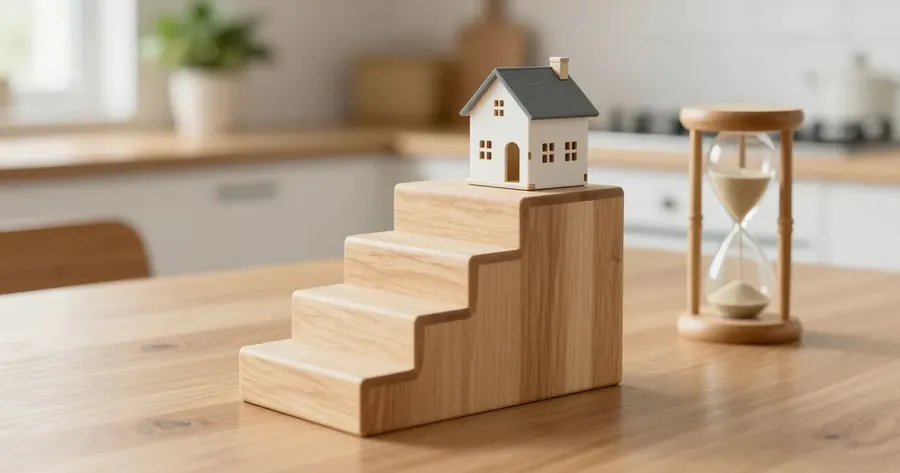
What Is a Temporary Rate Buydown?
According to the Consumer Financial Protection Bureau (CFPB), a temporary buydown gives you a lower payment for a limited time in exchange for an up-front fee or a higher rate later. The CFPB explains that these buydowns usually last one to three years and that the payment rises each year until the buydown ends. For example, in a two-year buydown, the discount is larger the first year, smaller the second, and from the third year you pay the full payment at your note rate. Ask the lender for the payment you will make in each year of the buydown.
How the Seller's Money Is Held
For a conventional loan, the Fannie Mae Selling Guide requires the following:
- The buydown money goes into a custodial account, and the account must be fully funded before the lender delivers the loan to Fannie Mae.
- That money covers the difference in each payment as it comes due; it is not cash you receive.
- There must be a written agreement between whoever provides the money and you, and it must say you still have to make your payments if the buydown money is not available.
- The note does not change: it reflects the loan's permanent payment.
The Lender Uses the Note Rate
Fannie Mae states that the lender must decide whether you qualify using the note rate, without considering the bought-down rate. The buydown lowers your payment at first, but it does not let you aim for a more expensive home. Before accepting, make sure you can comfortably afford the full payment, which is what you will have when the buydown ends.
Temporary Buydown or Price Cut?
In Texas, the Texas Real Estate Commission (TREC) purchase contract has a section where you write how much the seller will pay toward the buyer's expenses; ask your real estate agent to explain how the buydown is written in your contract. Before you decide, keep in mind:
- Fannie Mae counts a buydown paid by the seller, the builder or the real estate agent as an interested party contribution, which has limits based on the loan and how you will use the home. If your loan is FHA or VA, ask the lender which rules apply.
- A price cut lowers the loan amount for every year, while a temporary buydown only helps in the first years.
- The CFPB recommends comparing the cost of a loan with and without the temporary rate, and explains that the APR can help you see which one costs less over the life of the loan.
To compare with numbers, use our price cut vs rate buydown page, and if you want to lower the rate for good, read about discount points and lender credits.
What Happens if You Pay Off the Loan Early?
According to Fannie Mae, the buydown agreement may state what happens to the money left in the account if the loan is paid off before the buydown ends. Ask for a copy of that agreement and read it before closing.
Program rules can change; we confirm the current conditions when you apply.
At Tu Hogar en Texas we compare programs from several lenders and help you see whether a temporary buydown or a price cut fits you better. Request your free consultation!
General and educational information. Not an offer of credit or a loan commitment. Programs and requirements may change.
Sources
- Fannie Mae Selling Guide B2-1.4-04: Temporary Interest Rate Buydowns
- Fannie Mae Selling Guide B3-4.1-02: Interested Party Contributions
- CFPB: Why did my monthly mortgage payment go up or change?
- CFPB: Mortgage financing options in a higher interest rate environment
- Texas Real Estate Commission: One to Four Family Residential Contract (Resale), TREC No. 20-19
We could not load this article. Check your connection and try again.